
Category: Stock Photo Agencies

Unlock Your Creativity: 10 Best Sources for Stunning Royalty-Free Images
September 12, 2024
As a content creator, I’ve often found myself in need of high-quality images to enhance my work. That’s where royalty-free images come into play. These versatile visual assets have revolutionized the way we approach digital content creation, offering a cost-effective solution for businesses, bloggers, and designers alike.
In today’s fast-paced digital landscape, the demand for visually appealing content has never been higher. Royalty-free images provide a vast library of professional-grade visuals that can be used across multiple projects without the burden of recurring licensing fees. This article will explore the benefits, legal considerations, and best practices for utilizing royalty-free images in your creative endeavors.
What Are Royalty Free Images?
Royalty free images are visual assets that can be used multiple times for various purposes without paying additional licensing fees after the initial purchase. As a content creator, I find these images to be invaluable resources for enhancing my digital projects.
When I acquire a royalty free image, I’m essentially purchasing a license that grants me the right to use the image in accordance with the terms specified by the provider. This type of licensing differs significantly from rights-managed images, which often require separate payments for each use or have strict limitations on how they can be utilized.
One of the most popular platforms for sourcing royalty free images is Shutterstock. This industry giant offers a vast library of high-quality visuals that cater to diverse needs across various industries. Whether I’m working on a blog post, marketing materials, or a website design, I can usually find suitable images on Shutterstock that align with my creative vision.
It’s important to note that “royalty free” doesn’t mean the images are free of charge. Instead, it refers to the absence of recurring royalty payments. I typically pay a one-time fee to access and use the image, which can be significantly more cost-effective than commissioning custom photography or illustrations for every project.
While royalty free images are widely used in static content, the concept extends to other media as well. For instance, cheap stock video footage is also available under royalty free licenses, providing content creators like me with affordable options for incorporating motion graphics into our projects without breaking the budget.
In essence, royalty free images offer a flexible and economical solution for content creators who need professional-grade visuals without the complexity and expense of traditional licensing models. By understanding what royalty free images are and how to use them effectively, I can elevate the visual appeal of my content while maintaining control over my budget.
Advantages of Using Royalty Free Images
Royalty free images offer numerous benefits for content creators and businesses alike. I’ve identified several key advantages that make them an invaluable resource in today’s digital landscape:
Cost-Effective Solution
One of the most significant advantages of using royalty free images is their cost-effectiveness. After the initial purchase, I can use these images multiple times across various projects without incurring additional fees. This model provides substantial savings compared to commissioning custom photography or purchasing rights-managed images for each use.
Vast Selection
Platforms like Shutterstock offer an extensive library of royalty free images, providing me with an incredible variety of options. I can find visuals that perfectly match my project’s needs, whether I’m looking for lifestyle shots, business imagery, or abstract concepts. This diversity ensures I’m never limited by a lack of suitable visuals.
Time-Saving Resource
Utilizing royalty free images saves me considerable time in content creation. Instead of organizing photo shoots or spending hours searching for the perfect free image, I can quickly browse through high-quality, professionally shot images on stock photo websites. This efficiency allows me to focus more on other aspects of my projects.
Flexibility in Usage
Royalty free licensing typically grants me broad usage rights. I can use these images across various mediums, including websites, social media, print materials, and even video productions. This flexibility is invaluable for maintaining consistent branding across different marketing channels.
High-Quality Visuals
Many royalty free image providers, including Shutterstock, offer professional-grade visuals. I have access to high-resolution images that meet industry standards for quality and can be used in both digital and print formats. This ensures my content looks polished and professional across all platforms.
Legal Peace of Mind
When I use properly licensed royalty free images, I significantly reduce the risk of copyright infringement. Reputable stock image platforms provide clear licensing terms, giving me confidence that I’m using the images legally and ethically in my projects.
Types of Royalty Free Images

Royalty free images come in various forms to suit different creative needs. I’ll explore three main categories of royalty free visuals that are widely available on platforms like Shutterstock.
Stock Photos
Stock photos are perhaps the most common type of royalty free images. These are professionally shot photographs covering a wide range of subjects, scenes, and concepts. From lifestyle and business imagery to nature and abstract compositions, stock photos offer a vast selection for diverse project requirements. Many creators prefer stock photos for their authentic look and ability to convey specific messages or emotions effectively. Platforms like Shutterstock boast extensive libraries of high-quality stock photos, making it easy to find the perfect image for any project.
Illustrations and Graphics
Illustrations and graphics provide a more stylized and versatile option in the realm of royalty free images. These can include hand-drawn or digitally created artwork, infographics, icons, and other visual elements. Illustrations often allow for more creative interpretation of concepts and can be particularly useful for explaining complex ideas or adding a unique aesthetic to a project. They’re popular in marketing materials, educational content, and web design. Many royalty free image platforms offer a rich variety of illustrations and graphics, catering to different artistic styles and thematic needs.
Vector Images
Vector images are a distinct category of royalty free visuals prized for their scalability and editability. Unlike raster images (such as standard photographs), vector graphics are based on mathematical formulas, allowing them to be resized infinitely without loss of quality. This makes them ideal for logos, icons, and designs that may need to be used across various mediums and sizes. Vector images are often available in formats like AI, EPS, or SVG, which can be easily modified using vector graphic software. Their flexibility and crisp appearance at any scale make them a valuable asset for graphic designers and marketers. Many royalty free image platforms, including Shutterstock, offer a wide selection of vector images alongside their other visual offerings.
Where to Find Royalty Free Images

Finding high-quality royalty-free images is essential for content creators and marketers looking to enhance their projects. There are numerous sources available, ranging from free platforms to paid services that offer extensive libraries of professional-grade visuals.
Free Sources
When it comes to free royalty-free images, several reputable platforms offer a wide selection of high-quality visuals:
- Unsplash: Known for its artistic and contemporary photography.
- Pexels: Offers a diverse range of photos and videos.
- Pixabay: Provides images, vectors, and illustrations.
- Wikimedia Commons: Houses a vast collection of freely usable media files.
- Creative Commons Search: Aggregates content from various sources with different licensing options.
These platforms are excellent starting points for those working with limited budgets or for projects that don’t require highly specific imagery. However, it’s crucial to carefully review the licensing terms for each image, as they may vary even within free platforms.
Paid Platforms
For those seeking a more extensive selection and higher quality of royalty-free images, paid platforms offer a wealth of options:
- Shutterstock: One of the leading providers in the industry, Shutterstock offers an vast library of high-quality royalty-free images, illustrations, and vectors. Their subscription plans provide cost-effective solutions for frequent users.
- Adobe Stock: Integrated with Adobe Creative Cloud, this platform offers seamless access to millions of royalty-free images.
- iStock: A Getty Images company, iStock provides a curated collection of exclusive royalty-free images.
- Depositphotos: Offers a large selection of royalty-free images at competitive prices.
- Envato Elements: Provides unlimited downloads of royalty-free images, templates, and other digital assets for a monthly subscription.
These paid platforms often include additional benefits such as extended licenses, advanced search features, and regularly updated content. While they require an investment, they can be more cost-effective in the long run for professionals who frequently need high-quality visuals.
It’s worth noting that many of these paid platforms, including Shutterstock, also offer royalty-free video footage. This can be an excellent resource for creators looking for cheap stock video to complement their projects without incurring significant production costs.
Licensing and Usage Rights

When it comes to royalty-free images, understanding the licensing and usage rights is crucial for content creators and businesses alike. I’ve found that the term “royalty-free” can be somewhat misleading, as it doesn’t mean these images are free to use without any cost or restrictions.
Royalty-free licensing typically grants users broad rights to use an image multiple times across various projects after an initial purchase. This model differs significantly from rights-managed licenses, which often require separate payments for each use or have time-limited usage periods.
For instance, when you purchase a royalty-free image from a platform like Shutterstock, you’re essentially buying a license that allows you to use the image in multiple ways without paying additional royalties. However, it’s important to note that specific terms can vary between providers.
Here are some key aspects of royalty-free licensing:
- Multiple Use: You can use the image in various projects without additional fees.
- Perpetual License: The license typically doesn’t expire, allowing indefinite use.
- Non-Exclusive Rights: The same image may be licensed to other users.
- Usage Restrictions: Some limitations may apply, such as print run limits or restrictions on use in merchandise for resale.
It’s crucial to carefully review the licensing agreement for each image. While royalty-free licenses are generally more flexible than rights-managed options, they’re not without limitations. Some providers offer extended or enhanced licenses for broader usage rights, which can be particularly useful for large-scale commercial projects.
Understanding these nuances is essential for ensuring compliance and avoiding potential legal issues. As the demand for visual content continues to grow, platforms like Shutterstock have expanded their offerings to include royalty-free video footage as well, providing creators with affordable options for both static and moving images.
How to Choose the Right Royalty Free Image

Selecting the perfect royalty free image for your project requires careful consideration of various factors. To ensure you find the most suitable visual content I’ll guide you through the key aspects to consider when making your choice.
Quality Considerations
When choosing a royalty free image it’s essential to prioritize quality. High-resolution images from reputable platforms like Shutterstock often provide superior visual appeal and versatility. I recommend examining the following aspects:
- Resolution: Ensure the image has sufficient pixels for your intended use whether it’s for print or digital media.
- Clarity: Look for sharp well-focused images without blur or noise.
- Lighting: Good lighting enhances the overall quality and mood of the image.
- Composition: Consider how well the elements within the image are arranged and balanced.
Remember that higher quality images typically offer more flexibility in terms of resizing and cropping without losing detail.
Relevance to Your Project
The relevance of a royalty free image to your specific project is crucial for effective communication. Here are some points to consider:
- Subject matter: The image should align closely with your project’s theme or message.
- Style: Choose images that match your brand’s aesthetic and tone.
- Target audience: Select visuals that will resonate with your intended viewers.
- Versatility: Consider how the image might be used across different mediums or campaigns.
I suggest creating a brief for your project before searching to help narrow down your choices. This approach can save time and ensure you find images that truly enhance your content.
Editing and Customizing Royalty Free Images
When working with royalty free images from platforms like Shutterstock it’s essential to understand how to edit and customize them effectively. I’ve found that proper editing can transform a good image into a great one tailored specifically for your project.
Basic Editing Techniques
Most royalty free images can benefit from some basic editing. I recommend starting with:
- Cropping: Adjust the composition to focus on the most important elements.
- Color correction: Enhance or adjust colors to match your brand or project aesthetics.
- Brightness and contrast: Fine-tune these settings to improve image clarity and impact.
- Sharpening: Carefully sharpen images to enhance details without introducing artifacts.
Advanced Customization Options
For more complex projects I often employ advanced customization techniques:
- Layering: Combine multiple royalty free images to create unique compositions.
- Text overlay: Add compelling typography to create impactful visual messages.
- Filters and effects: Apply artistic filters to achieve specific moods or styles.
- Background removal: Isolate subjects for use in various contexts or on different backgrounds.
Software Tools for Editing
Several software options are available for editing royalty free images:
- Adobe Photoshop: Industry-standard for professional-level editing and manipulation.
- GIMP: A free open-source alternative with powerful features.
- Canva: User-friendly online platform ideal for quick edits and designs.
- Snapseed: Mobile app offering professional-grade editing tools on-the-go.
Legal Considerations
While editing royalty free images it’s crucial to be aware of legal limitations:
- Respect copyright: Avoid using edited images in ways that violate the original license agreement.
- Attribution: Some licenses may require crediting the original creator even after editing.
- Substantial changes: Ensure edits are significant enough to create a new derivative work if required by the license.
By mastering these editing and customization techniques I’ve found that royalty free images can be tailored to perfectly suit a wide range of projects enhancing their visual impact and effectiveness.
Legal Considerations and Best Practices
When using royalty-free images from platforms like Shutterstock, it’s crucial to understand and adhere to legal considerations and best practices. I’ll outline some key points to keep in mind:
Understanding Licensing Terms
Before using any royalty-free image, I always carefully review the licensing terms. Different platforms may have varying restrictions on usage, even within the royalty-free category. For instance, Shutterstock’s standard license allows for up to 500,000 copies or views of an image, while their enhanced license offers unlimited reproduction rights.
Attribution Requirements
Some royalty-free images, especially from free platforms, may require attribution to the original creator. I make sure to check if attribution is necessary and, if so, provide credit in the appropriate manner as specified by the licensing terms.
Model and Property Releases
For images featuring recognizable individuals or private property, it’s essential to ensure that proper releases have been obtained. Reputable platforms like Shutterstock typically handle this, but I always double-check to avoid potential legal issues.
Commercial vs. Editorial Use
I’m always mindful of the distinction between images cleared for commercial use and those restricted to editorial purposes. Commercial use images can be used in advertising and marketing materials, while editorial images are typically limited to news or informational contexts.
Sensitive Content Considerations
When selecting royalty-free images for projects, I’m cautious about using images that depict sensitive subjects or could be considered offensive. It’s important to consider the context and potential impact of the chosen visuals.
Modification and Derivative Works
While royalty-free images often allow for modifications, I’m careful not to alter images in ways that could be deemed defamatory or infringing on moral rights. Substantial modifications may also require additional licensing considerations.
Record Keeping
I maintain detailed records of image sources, licensing information, and usage details. This practice helps ensure compliance and provides documentation in case of any legal inquiries.
Regular License Reviews
As licensing terms can change over time, I periodically review the terms of service for the platforms I use, including Shutterstock, to stay informed about any updates or changes in usage rights.
By adhering to these legal considerations and best practices, I ensure that my use of royalty-free images remains compliant and ethical, minimizing the risk of legal issues while maximizing the benefits of these versatile visual resources.
Alternatives to Royalty Free Images
While royalty free images offer numerous benefits, there are several alternatives worth considering for content creators seeking visual assets. These options can provide unique advantages depending on your specific needs and budget constraints.
- Rights-Managed Images
Rights-managed images offer more exclusivity than royalty free images. With this licensing model, I can purchase the right to use an image for a specific purpose, duration, and geographic location. While typically more expensive than royalty free options, rights-managed images can provide a level of uniqueness that may be valuable for certain projects.
- Creative Commons Images
Creative Commons licenses allow creators to share their work under specific conditions. These images are often free to use, but may require attribution or have restrictions on commercial use. While not as extensive as Shutterstock’s library, Creative Commons images can be an excellent resource for budget-conscious projects.
- Public Domain Images
Images in the public domain are free from copyright restrictions and can be used without permission or attribution. These often include historical photographs or artwork whose copyright has expired. While the selection may be limited, public domain images can be a valuable resource for certain types of content.
- Custom Photography
For projects requiring unique visuals, custom photography might be the best option. While more expensive than royalty free images, custom photography allows for complete control over the final product and ensures that the visuals are tailored specifically to your needs.
- User-Generated Content
Engaging your audience to create and share content can be an effective alternative to royalty free images. This approach can foster community engagement and provide authentic visuals, though it requires careful management and may not be suitable for all types of projects.
- Illustrations and Graphics
Custom illustrations or graphics can set your content apart from competitors who rely heavily on stock photography. While potentially more time-consuming and expensive to produce, these visuals can be tailored precisely to your brand and message.
- Video Content
In some cases, video content might be a more engaging alternative to static images. Platforms like Shutterstock offer cheap stock video options, providing a cost-effective way to incorporate motion into your projects without the expense of custom video production.
By considering these alternatives alongside royalty free images, I can create a diverse visual strategy that best serves my content needs and budget constraints. Each option has its own strengths and limitations, and the ideal choice will depend on the specific requirements of each project.
Conclusion: Are Royalty Free Images Right for Your Project?
Royalty-free images offer a versatile and cost-effective solution for content creators seeking high-quality visuals. They provide flexibility, legal security, and a vast selection to enhance various projects.
However, it’s crucial to understand licensing terms and usage rights to ensure compliance. Alternatives like custom photography or rights-managed images might better suit specific needs.
Ultimately, the decision to use royalty-free images depends on your project’s requirements, budget, and goals. By carefully considering these factors, you’ll be well-equipped to make the best choice for your visual content strategy.

Baltimore’s Street Art: Vibrant Urban Murals Transforming the City’s Landscape
September 3, 2024
Baltimore’s vibrant street art scene is transforming the city’s urban landscape into an open-air gallery. From colorful murals to thought-provoking graffiti, these public artworks are breathing new life into neighborhoods and sparking conversations about social issues.
As you explore Baltimore’s streets, you’ll encounter a diverse array of artistic styles and themes. Local and international artists alike have left their mark on the city’s walls, creating a unique visual tapestry that reflects Baltimore’s rich cultural heritage and contemporary urban spirit.
This article will guide you through the world of Baltimore street art, highlighting notable works, talented artists, and the impact these creations have on the community. You’ll discover how this dynamic art form is reshaping the city’s identity and fostering a sense of pride among its residents.
The Rise of Street Art in Baltimore
Baltimore’s street art scene has experienced significant growth in recent years, transforming the city’s urban landscape. This evolution has roots in the city’s rich cultural history and has been shaped by various social and artistic movements.
Historical Context
Baltimore’s street art scene emerged from a complex tapestry of urban development and social change. In the 1960s and 1970s, graffiti began appearing on city walls as a form of expression for marginalized communities. This early form of street art often focused on social commentary and political messaging. As the city faced economic challenges in the 1980s and 1990s, abandoned buildings became canvases for artists, leading to the creation of impromptu outdoor galleries.
Defining Baltimore’s Street Art Scene
Baltimore’s street art scene is characterized by its diversity and community-driven nature. Local artists have played a crucial role in shaping the city’s visual identity, while international artists have contributed to its global recognition. The scene encompasses a wide range of styles, from traditional murals to contemporary installations.
Key features of Baltimore’s street art include:
- Community engagement: Many projects involve local residents in the creation process
- Social activism: Artworks often address issues such as racial inequality and urban renewal
- Revitalization efforts: Street art has been used to breathe new life into neglected neighborhoods
- Cultural representation: Murals frequently celebrate Baltimore’s diverse communities and history
Baltimore street art has gained significant attention, with images featured on platforms like Shutterstock Exclusive and Adobe Stock Photos Free Download. These platforms have helped showcase the city’s vibrant art scene to a global audience, further cementing Baltimore’s reputation as a hub for innovative urban art.
Notable Street Art Districts

Baltimore’s street art scene flourishes in several distinct neighborhoods, each with its own unique character and artistic flair. These districts showcase the city’s vibrant baltimore street art culture, attracting both local and international artists.
Mount Vernon
Mount Vernon, known for its historic architecture, has embraced street art as a means of urban renewal. You’ll find colorful murals adorning building facades, transforming once-bland walls into captivating canvases. The district’s blend of classical and contemporary aesthetics creates a striking backdrop for street art installations, many of which are featured on Shutterstock Exclusive.
Station North Arts & Entertainment District
Station North stands as a beacon of creativity in Baltimore’s art scene. This district boasts an impressive concentration of murals, sculptures, and interactive installations. Artists frequently collaborate with local businesses and community organizations to create thought-provoking pieces that reflect the area’s diverse cultural heritage. Many of these artworks have gained recognition through platforms like Adobe Stock Photos Free Download.
Hampden
Hampden’s quirky charm extends to its street art offerings. This neighborhood’s eclectic mix of vintage shops and modern galleries provides a unique setting for urban art. You’ll discover whimsical murals tucked away in alleyways and bold designs adorning storefronts. Hampden’s street art often incorporates elements of local folklore and pop culture, creating a distinct visual identity that captures the essence of Baltimore’s artistic spirit.
Influential Baltimore Street Artists

Baltimore’s street art scene boasts a cadre of talented artists who’ve transformed the city’s urban landscape. These artists have gained recognition on platforms like Shutterstock Exclusive and Adobe Stock Photos Free Download, contributing to the vibrant baltimore street art culture.
Ernest Shaw, Jr.
Ernest Shaw, Jr. is a prolific muralist known for his powerful portraits of African American figures. His work celebrates Black culture and history, often featuring iconic personalities and local heroes. Shaw’s murals, characterized by bold colors and intricate details, can be found throughout Baltimore, particularly in historically Black neighborhoods.
Gaia
Gaia, an internationally renowned street artist, has left an indelible mark on Baltimore’s urban canvas. Known for large-scale portraits and intricate wheat paste installations, Gaia’s work often explores themes of gentrification, urban decay, and cultural identity. His murals, which blend realism with surreal elements, have become iconic features of Baltimore’s streetscape.
Jessie & Katey
The artistic duo Jessie Unterhalter and Katey Truhn, known professionally as Jessie & Katey, have brightened Baltimore’s streets with their vibrant, geometric murals. Their work, characterized by bold patterns and playful color combinations, transforms ordinary spaces into eye-catching public art installations. Jessie & Katey’s murals often incorporate interactive elements, encouraging public engagement with the artwork.
Themes and Styles in Baltimore Murals
Baltimore’s street art scene is a vibrant tapestry of themes and styles, reflecting the city’s diverse cultural landscape and social issues. Murals across the city showcase a wide range of artistic expressions, from bold, colorful pieces to thought-provoking social commentaries.
Cultural Representation
Baltimore’s murals celebrate the city’s rich cultural heritage and diverse communities. You’ll find artwork depicting historical figures, local heroes, and cultural icons throughout the streets. These murals often incorporate elements of African American, Hispanic, and Asian cultures, reflecting the city’s multicultural makeup. Many of these pieces are captured in high-quality images available on Shutterstock Exclusive, showcasing the city’s vibrant baltimore street art scene to a global audience.
Social Commentary
Social issues play a significant role in Baltimore’s mural art. Artists use their work to address topics such as racial inequality, gentrification, and environmental concerns. These thought-provoking pieces often combine striking visuals with powerful messages, encouraging viewers to reflect on important societal issues. Some of these impactful murals are featured in collections on Adobe Stock Photos Free Download, allowing their messages to reach a wider audience and inspire change beyond the city’s borders.
Impact of Street Art on Baltimore Communities

Baltimore street art has transformed the city’s urban landscape, fostering community engagement and revitalization. This vibrant form of expression has become a catalyst for positive change in neighborhoods across the city.
Urban Revitalization
Street art breathes new life into neglected areas of Baltimore, turning blank walls into captivating visual narratives. Abandoned buildings and forgotten corners now serve as canvases for artists, attracting visitors and sparking economic growth. Local businesses benefit from increased foot traffic as art enthusiasts explore these outdoor galleries. Images of these transformative works are often featured on platforms like Shutterstock Exclusive and Adobe Stock Photos Free Download, showcasing Baltimore’s urban renaissance to a global audience.
Community Engagement
Baltimore street art fosters a sense of pride and ownership among residents. Community-driven mural projects bring neighbors together, encouraging collaboration and dialogue. Local artists often involve residents in the creative process, ensuring the artwork reflects the community’s values and aspirations. These collaborative efforts strengthen social bonds and create a shared visual identity for neighborhoods. The resulting murals become focal points for community gatherings and events, further enhancing social cohesion and civic participation.
Exploring Baltimore’s Street Art
Baltimore’s street art scene offers numerous ways to immerse yourself in its vibrant creativity. From digital maps to self-guided tours, you’ll find plenty of options to discover the city’s urban artworks.
The Baltimore Mural Map
The Baltimore Mural Map is an invaluable resource for exploring the city’s baltimore street art. This interactive digital tool pinpoints the locations of numerous murals throughout the city, making it easy to plan your art-viewing route. The map features high-quality images of each mural, often sourced from Shutterstock Exclusive collections, providing a preview of what you’ll encounter. You’ll find detailed information about the artists, the year of creation, and the story behind each piece. The map is regularly updated, ensuring you have access to the latest additions to Baltimore’s ever-evolving street art landscape.
Self-Guided Tours
Self-guided tours offer a flexible way to experience Baltimore’s street art at your own pace. Several organizations provide downloadable maps and audio guides, often featuring Adobe Stock Photos Free Download images to help you identify key artworks. These tours typically cover specific neighborhoods or themes, allowing you to tailor your experience to your interests. Popular routes include the Station North Arts District, Hampden, and Highlandtown. As you explore, you’ll encounter a diverse range of styles, from large-scale murals to intricate stencil work. Many tours also incorporate historical and cultural information, providing context for the artworks and deepening your understanding of Baltimore’s rich artistic heritage.
Preservation and Future of Baltimore Street Art
Baltimore’s street art scene faces ongoing challenges in preservation and development. The ephemeral nature of street art, combined with urban renewal projects, threatens the longevity of many murals and installations.
Conservation Efforts
Preservation initiatives for baltimore street art include:
- Documenting existing works through high-quality photography
- Collaborating with property owners to protect murals
- Applying protective coatings to extend artwork lifespan
- Creating digital archives to preserve the visual history
Local organizations partner with artists to ensure their work remains visible and protected. These efforts help maintain the city’s unique visual identity and cultural heritage.
Evolving Techniques and Materials
Artists continuously explore new techniques to enhance durability:
- Weather-resistant paints
- UV-protective finishes
- Digital projections for temporary installations
- Mosaic and tile work for increased longevity
These advancements allow street art to withstand harsh urban conditions while maintaining its vibrancy and impact.
Digital Preservation and Accessibility
Technology plays a crucial role in preserving and sharing Baltimore’s street art:
- Virtual reality tours of street art locations
- Augmented reality apps for interactive experiences
- Online galleries featuring high-resolution images
- Social media campaigns to raise awareness
These digital initiatives make Baltimore’s street art accessible to a global audience, similar to Shutterstock Exclusive collections.
Community Engagement and Education
Ensuring the future of Baltimore’s street art involves:
- Workshops for aspiring artists
- School programs integrating street art into curricula
- Community paint days and mural projects
- Guided tours highlighting the significance of public art
These programs foster appreciation for street art and inspire the next generation of artists.
Funding and Support
Sustaining Baltimore’s street art scene requires:
- Grants for artists and preservation projects
- Corporate sponsorships for large-scale murals
- Crowdfunding campaigns for community-driven initiatives
- Partnerships with local businesses to provide wall space
Diverse funding sources help maintain existing works and commission new pieces, keeping the scene vibrant and evolving.
Legal Framework and Public Policy
Developing supportive policies involves:
- Establishing designated areas for legal street art
- Creating permits for temporary installations
- Implementing anti-graffiti measures that protect sanctioned works
- Collaborating with city planners to integrate street art into urban development
These measures provide a structured environment for street art to thrive while addressing concerns about vandalism.
By focusing on preservation, innovation, and community involvement, Baltimore ensures its street art continues to flourish, reflecting the city’s dynamic culture and creative spirit.
Conclusion
Baltimore’s street art scene is a testament to the city’s resilience and creativity. From its humble beginnings to its current status as a cultural powerhouse, it’s clear that this form of expression is integral to Baltimore’s identity. As you explore the city’s vibrant murals and installations, you’ll discover a rich tapestry of stories, voices, and visions.
The future of Baltimore’s street art looks bright, with ongoing efforts to preserve, document, and promote these urban masterpieces. By supporting local artists and participating in community initiatives, you can play a part in ensuring this dynamic art form continues to thrive and inspire for generations to come.

10 Key Factors to Consider When Choosing Commercial Stock Photos
August 30, 2024
Are you ready to elevate your visual content game? Commercial stock photography can be a game-changer for your projects, but knowing what to look for is key to success!
Whether you’re a marketer, designer, or content creator, finding the perfect stock image can make or break your message. But with millions of options at your fingertips, how do you choose? Don’t worry – we’ve got you covered! In this guide, we’ll explore the essential elements that separate stunning stock photos from the mediocre ones. You’ll learn how to spot high-quality images that will captivate your audience and bring your ideas to life.
Understanding Commercial Stock Photography
Commercial stock photography is a vast resource of pre-shot images available for licensing and use in various projects. Let’s dive into what it is and why it’s so valuable for creators and businesses alike.
What Is Stock Photography?
Stock photography refers to a collection of professional-quality images that are readily available for purchase and use. These images are created by photographers and artists, then uploaded to stock photo websites where they can be licensed by individuals or businesses. Stock photos cover a wide range of subjects, from business and lifestyle to nature and abstract concepts, making them versatile for various applications in marketing, advertising, web design, and publishing.
Benefits of Using Stock Photos
Using stock photos offers numerous advantages for your creative projects:
- Time-saving: You can find high-quality images instantly, without the need to organize photo shoots.
- Cost-effective: Stock photos are generally more affordable than hiring a photographer for custom shoots.
- Variety: You have access to millions of images on diverse subjects, ensuring you find the perfect match for your project.
- Royalty-free options: Many stock photos come with royalty-free licenses, allowing you to use the images multiple times without additional fees.
- Professional quality: Stock photos are typically shot by experienced photographers using high-end equipment, ensuring top-notch image quality.
- Instant availability: With platforms like Shutterstock, you can download and use images immediately after purchase.
- Legal protection: Reputable stock photo sites ensure proper licensing, protecting you from copyright issues.
- Flexibility: You can easily edit and manipulate stock photos to fit your specific needs.
By leveraging stock photography, you can elevate your visual content quickly and efficiently, often at a fraction of the cost of custom photography. Whether you’re a small business owner or a seasoned designer, stock photos can be a game-changer for your creative projects.
Key Factors to Consider
When selecting commercial stock photography you’ll want to keep these crucial elements in mind. Let’s dive into the key factors that’ll make your chosen images stand out and perfectly align with your brand’s needs.
Image Quality and Resolution
You’ll want to prioritize high-quality images with excellent resolution. Look for crystal-clear photos that remain sharp even when enlarged. Pay attention to the image’s technical aspects such as lighting composition and color balance. These elements contribute to a polished professional look that’ll elevate your visual content. Remember higher resolution images give you more flexibility in how you use them whether it’s for web design print materials or large-format displays.
Relevance to Your Brand and Audience
It’s crucial to choose images that resonate with your brand identity and target audience. Consider your brand’s personality values and aesthetic when browsing stock photos. Look for images that complement your existing visual style and messaging. Think about your audience’s demographics interests and preferences. The right image should instantly connect with your viewers and effectively communicate your brand’s message. Don’t forget to consider cultural relevance especially if you’re targeting a global audience.
Authenticity and Avoiding Clichés
In today’s visual landscape authenticity is key. Steer clear of overly staged or clichéd images that can make your content feel generic. Instead opt for natural-looking photos that capture genuine moments and emotions. Look for diverse representation in the images you choose to ensure they reflect real-world diversity. Authentic images help build trust with your audience and make your brand more relatable. When using a Shutterstock promo code be sure to explore their vast library of authentic royalty-free images that can give your content a fresh and genuine feel without breaking the bank.
Navigating Licensing and Usage Rights
When using commercial stock photography you need to understand the ins and outs of licensing and usage rights. These legal aspects are crucial for ensuring you’re using images correctly and avoiding potential copyright issues.
Types of Licenses
Stock photography platforms offer various license types to suit different needs. Here are the most common ones you’ll encounter:
- Royalty-free (RF): This popular license type allows you to use the image multiple times for a one-time fee. It’s perfect for most commercial uses and offers flexibility in how you use the image.
- Rights-managed (RM): These licenses are more restrictive and typically specify how where and for how long you can use the image. They’re often used for exclusive or high-end projects.
- Editorial use: These images are for non-commercial purposes only such as news or educational content. They can’t be used for advertising or promotional materials.
- Extended licenses: These build upon standard licenses offering additional rights like unlimited print runs or the ability to use images on products for resale.
Understanding Usage Restrictions
Even with a valid license you need to be aware of usage restrictions:
- Geographic limitations: Some licenses may restrict usage to specific countries or regions.
- Time constraints: Certain licenses especially rights-managed ones may have expiration dates.
- Industry restrictions: Some images may not be usable in specific industries like tobacco or adult content.
- Modification limits: Many licenses prohibit significant alterations to the original image.
- Resale restrictions: Standard licenses typically don’t allow you to resell or redistribute the image as-is.
Remember to always read the fine print of your chosen stock photography platform. Many sites like Shutterstock offer promotions on their licensing packages which can be a great way to access high-quality royalty-free images at a discount. By understanding these licensing nuances you’ll be better equipped to use commercial stock photography effectively and legally in your projects.
Effective Search Strategies

Mastering the art of searching for commercial stock photography can significantly improve your chances of finding the perfect images for your projects. Let’s explore some powerful strategies to enhance your search experience.
Mastering Keyword Searches
To find the ideal stock photos you’re looking for use specific and descriptive keywords. Start with broad terms then narrow down your search with more precise words. For example instead of searching for “dog” try “golden retriever puppy playing in park.” Experiment with synonyms and related terms to expand your results. Use quotation marks for exact phrases and combine keywords with Boolean operators (AND OR NOT) to refine your search further.
Utilizing Filters and Advanced Search Options
Take advantage of the powerful search tools offered by stock photography platforms to streamline your image hunt. Many sites like Shutterstock provide advanced filters that allow you to narrow down results based on:
- Image orientation (landscape portrait square)
- Color schemes or specific colors
- Number of people in the photo
- Age gender and ethnicity of subjects
- Image style (such as candid editorial or illustration)
- File type and resolution
Don’t forget to explore the “Similar Images” feature often available on stock photo websites. This tool can help you discover visually related content that might better suit your needs. Additionally some platforms offer AI-powered search capabilities that can analyze the content and style of an image to find similar options.
By mastering these search strategies you’ll be able to navigate through millions of images more efficiently saving time and ensuring you find the perfect visuals for your projects. Remember that many stock photo sites including Shutterstock often offer promo codes for new users allowing you to explore their vast libraries of royalty-free images at discounted rates.
Choosing the Right Images

Selecting the perfect commercial stock photos involves careful consideration of various elements. Let’s dive into the key factors you should keep in mind when choosing images for your projects.
Evaluating Visual Style and Composition
When assessing stock photos, pay close attention to their visual style and composition. Look for images that align with your brand’s aesthetic and message. Consider the following:
- Color palette: Ensure the image’s colors complement your brand’s color scheme.
- Lighting: Opt for well-lit photos that create the right mood for your content.
- Rule of thirds: Choose images with balanced compositions that draw the viewer’s eye.
- Negative space: Select photos with appropriate blank areas for text overlay or design elements.
Remember, a visually appealing image can significantly enhance your content’s impact and engagement.
Considering Diversity and Inclusivity
In today’s globalized world, it’s crucial to choose images that represent diverse populations and promote inclusivity. When selecting stock photos:
- Look for images featuring people of various ethnicities, ages, body types, and abilities.
- Avoid stereotypes and opt for authentic representations of different cultures and lifestyles.
- Consider gender balance and non-binary representation in your chosen images.
- Seek out photos that showcase diversity in professional and social settings.
By choosing inclusive imagery, you’ll create content that resonates with a broader audience and reflects the world’s rich diversity.
Assessing Versatility and Adaptability
To maximize the value of your stock photo investment, prioritize versatile and adaptable images. Here’s what to look for:
- Multiple uses: Select photos that can work across various platforms and mediums.
- Cropping potential: Choose images that allow for different aspect ratios without losing essential elements.
- Seasonal relevance: Opt for photos that can be used year-round or easily adapted for different seasons.
- Text integration: Look for images with areas that accommodate text overlay without compromising the overall composition.
By focusing on versatility, you’ll get more mileage out of your chosen stock photos and save time and resources in the long run.
Remember, many stock photo platforms offer royalty-free options, giving you the flexibility to use images across multiple projects without additional licensing fees. Keep an eye out for Shutterstock promo codes to access high-quality, versatile images at discounted rates, allowing you to build a diverse and adaptable image library for your creative projects.
Customizing Stock Photos
Stock photos are just the starting point! With a little creativity you can transform them into unique visuals that perfectly match your brand. Here’s how to take stock photos to the next level:
Tips for Editing and Personalizing Images
- Apply filters and adjustments to match your brand’s color palette
- Crop images creatively to focus on the most impactful elements
- Add text overlays with your brand’s fonts and messaging
- Use blending modes to combine multiple stock photos
- Remove backgrounds to isolate subjects
- Retouch and enhance details for a polished look
- Create collages by combining complementary stock images
- Experiment with selective coloring to make key areas pop
- Incorporate your own photos or graphics alongside stock images
- Use stock photos as backdrops for original illustrations or text
- Create cohesive layouts mixing stock and custom visuals
- Combine stock photos with your logo or brand elements
- Use stock photos as inspiration for original photoshoots
- Edit stock images to match the style of your custom content
- Build composite images blending stock and original elements
- Repurpose stock photos as textures or patterns in designs
By customizing royalty-free stock photos from sites like Shutterstock you can create truly unique visuals. Look for Shutterstock promo codes to access even more images to edit and blend with your original content. With some creative tweaks stock photos become personalized assets that perfectly represent your brand.
Common Pitfalls to Avoid

While commercial stock photography can be a valuable resource, there are several pitfalls you should steer clear of to ensure your visual content stands out. Let’s explore some common mistakes and how to avoid them.
Overused or Dated Imagery
Steering clear of overused or dated imagery is crucial when selecting stock photos. You don’t want your brand to blend in with the crowd or appear out of touch. Here’s how to avoid this pitfall:
- Research current visual trends in your industry
- Look for fresh, modern images that align with your brand’s style
- Avoid clichéd photos like handshakes or generic office scenes
- Opt for diverse and inclusive representations in your chosen images
- Regularly update your visual content to keep it current and engaging
Ignoring SEO Considerations
Don’t overlook the importance of SEO when choosing and using stock photos. Optimizing your images can significantly boost your online visibility. Here’s what you should keep in mind:
- Use descriptive, keyword-rich file names for your images
- Add alt text to all your stock photos, describing the content and including relevant keywords
- Compress your images to improve page load speed without sacrificing quality
- Consider using royalty-free images from platforms like Shutterstock, which often offer promo codes for cost-effective access to high-quality photos
- Create image sitemaps to help search engines discover and index your visual content more effectively
By paying attention to these SEO factors, you’ll ensure your stock photos not only look great but also contribute to your overall digital marketing strategy.
Alternatives to Stock Photography

While commercial stock photography offers many benefits, there are exciting alternatives that can give your visual content a unique edge. Let’s explore some creative options beyond traditional stock photos.
Custom Photography Options
Custom photography provides a fantastic way to create truly unique visuals for your brand. Here are some exciting options to consider:
- Hire a professional photographer: Collaborate with a skilled photographer to capture images tailored specifically to your brand’s needs. This option allows for complete creative control and ensures your visuals are one-of-a-kind.
- DIY photoshoots: With today’s high-quality smartphone cameras, you can create your own photo content. Invest in some basic equipment like a tripod and lighting, and start experimenting with compositions that reflect your brand’s personality.
- Illustration and graphic design: Commission custom illustrations or graphics that perfectly align with your brand aesthetic. This approach can set you apart from competitors who rely solely on photography.
User-Generated Content
Embracing user-generated content (UGC) can be an exciting and cost-effective alternative to stock photography. Here’s how you can leverage UGC:
- Run photo contests: Encourage your audience to submit photos related to your brand or products. This not only provides you with fresh content but also increases engagement with your community.
- Curate social media content: Look for high-quality photos shared by your followers on platforms like Instagram or Twitter. Always ask for permission before using their content and give proper credit.
- Create a branded hashtag: Develop a unique hashtag for your brand and encourage customers to use it when sharing photos of your products or services. This makes it easier to find and curate relevant UGC.
By exploring these alternatives, you can create a diverse and engaging visual strategy that goes beyond traditional stock photography. Whether you opt for custom photography or harness the power of user-generated content, these approaches can help your brand stand out in a crowded digital landscape.
Conclusion
Choosing the right commercial stock photography is crucial for your brand’s success! Remember to prioritize quality relevance and authenticity in your selections. Don’t be afraid to think outside the box and explore alternatives like custom photography or user-generated content. These options can help you create a unique visual identity that truly resonates with your audience.
By carefully considering your image choices and incorporating diverse visual strategies you’ll be well on your way to creating captivating content that stands out in the crowded digital landscape. So go ahead and unleash your creativity – your perfect visuals are waiting to be discovered!
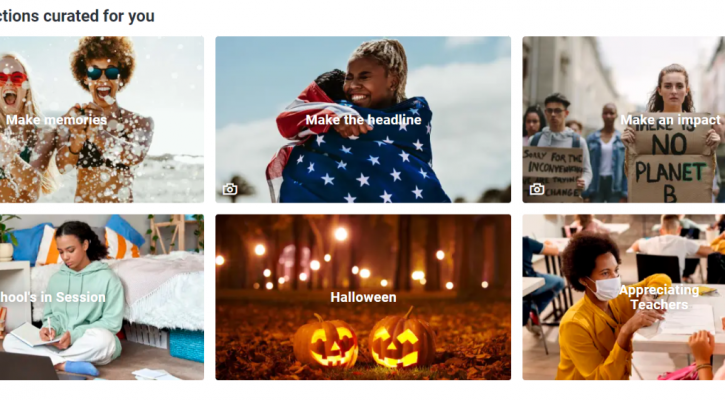
Coupon for Shutterstock Exclusive to our Readers
May 13, 2021
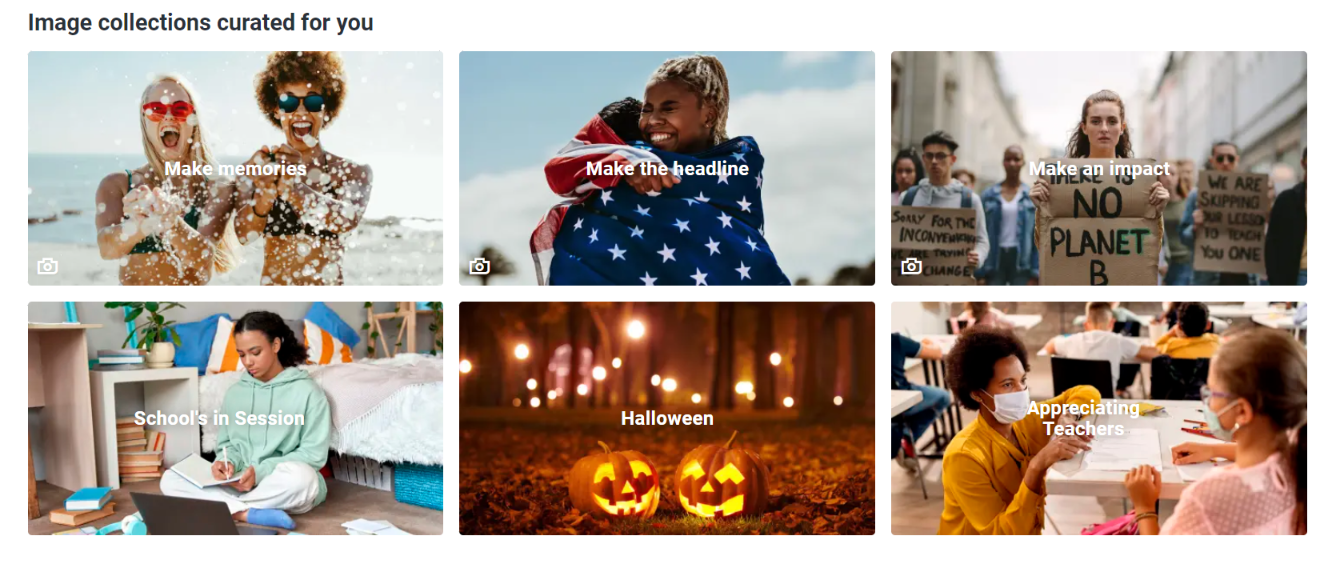 Searching for Shutterstock coupons is not an easy task. It requires time, patience and wisdom to find the best deal in the market. Here at Stock Photo Secrets, we aim to provide our readers with active and valid codes so they don’t have to scour through the wide world of the Internet. We offer exclusive promo codes that are not available anywhere else. We offer only active and valid coupon codes to give our readers real savings.
As one of the largest stock photo websites in the industry, Shutterstock has a fairly huge number of members. It offers over 80 million of creative choices to jump-start and completes all types of projects. Furthermore, it continuously expands its library by adding over 300,000 fresh images every week. The stock photo website provides both free and cheap stock photos. Every week, one free photo and one free vector is available to members.
Shutterstock has been helping bloggers, designers and businesspersons with their creative projects. In fact, many of our readers use the website as their primary image source. To pay back their loyalty, www.stockphotosecrets.com works together with the stock photo agency to offer Shutterstock coupon codes for our valued readers. Through these coupons, you can further your savings with the stock site’s already inexpensive images.
Two Kinds of Coupon for Shutterstock Members
 We are offering two types of coupons for our avid readers.
- Image Subscription. There are 3 types of image subscription in Shutterstock – basic, professional and team. The basic subscriptions has 5 and 25 image packages that must be download within one year of subscription. The professional subscription gives you access to the entire collection without daily download limits. You can download 350 or 750 images depending on your creative needs. Lastly, the team subscription include 750 images with prices that vary by the number of users. Our exclusive coupon includes 15% discount on all these image subscriptions.
- Footage Products. Shutterstock is known not only for its image subscription plans but also for its footage packages. In fact, it has over 4 million of the best royalty-free stock videos. You can download videos individually or in packs to save more. Our exclusive Shutterstock promo includes 10% discount on all footage products. This means you will have a bigger opportunity to save more when you purchase a footage pack.
What are you waiting for? Redeem your exclusive Shutterstock coupon now to get a chance of bigger savings. Find everything you need for your creative projects and download them instantly with our promo code.
What is Shutterstock for You?
December 15, 2016
 Many people who are not familiar with the stock photo industry might ask what Shutterstock is and its offerings. What sets it apart from other stock media agencies? There are a few things you need to know if you are considering it as your primary image source.
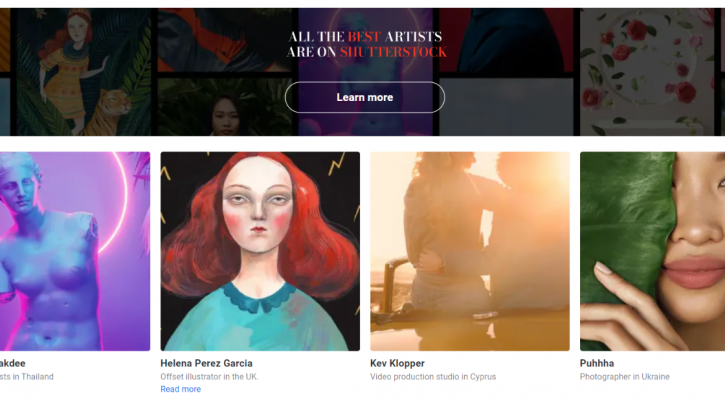
What is Shutterstock? It is a global company that licenses content and features innovative tools to power the creative process. It has one of the largest collections of images, videos and music at over 100 million. It also created a high-end collection of images, called Offset, and expanded its portfolio to include:
- Bigstock – a value-oriented stock site
- PremiumBeat – a curated Royalty-Free music library
- Rex Features – a premier source of global Editorial images
- WebDAM – a cloud-based digital asset platform for enterprises
In a word, Shutterstock offers stunning content at straightforward prices. Explore the stock site’s library and create great stories from its amazing content. There are the professional photos, high quality vectors, beautiful illustrations, universal icons, exclusive footages, and hand-picked music. You can also find inspiration from the stock site’s curated collections. All you have to do is sign up for free.

Royalty-free amazing content is not what you only get when you register to the stock site. You can also enjoy free photos and videos every week. That’s right! They’re for free. Shutterstock features one photo and one video that you can download free of charge every week.
How can you find the content you’re looking for at Shutterstock? It’s easy! You can use the search bar or browse by category. You can also use the menu on the upper left. With Shutterstock, you can find the perfect image for your creative projects easily. The next challenge comes with finding the plan that suits your creative needs and budget. Don’t worry! The stock site offers plans for various budget levels. You can also choose a license that will go with your purchases.
Reach your Dreams with a Getty Images Coupon Code
June 23, 2016
Getty Images is one of the most renowned stock photo websites in the market. In fact, it is considered as one of the dream stock sites for bloggers, web designers and business people. Well, who would not love Getty Images? It has millions of premium quality stock images in its collection – far better than what you can find in other cheap stock photo sites. It is no wonder that the stock site offers pricier subscription plans. Thanks to Getty Images coupon code, all that will change.

Oh wait! Getty Images does not provide any coupon codes. So, what on earth are we talking about? Well, our friends, we are talking about the newest offering from one of the elite stock photo agencies – Ultrapacks! Getty Images Ultrapacks (read more here) are pre-pack images that are available in various volume sizes. You can choose among 5, 10, 15, and 25 image packs, whichever suits your creative needs and budget. You can also choose a resolution that works well with your projects.
Have you got larger image needs? No problem! Getty Images also offers larger Ultrapacks from 50 to 250 images. Just contact a sales assistant at the stock photo website to get a larger image pack. Ultrapacks do not only simplify Getty’s pricing, it also applies generous discounts to every photo. The average price for low resolution images is $125. With Ultrapacks, you can get 5 low resolution images for only $575. That saves you $50 or 8% from the regular price.
Of course, you will get higher discounts when you purchase more images. For instance, buying 25 low resolution images only costs $2500 or $100 per image. That saves you up to 26% discount or $625 price cut from the grand total. An average medium to high resolution image can cost you up to $500, but with a Getty Images Ultrapack, you can get as high as 31% discount. That saves you roughly $3000 on regular image prices.
That being said, Ultrapacks are just as good as a Getty Images coupon code – perhaps even better. They allow you to access over 50 million commercial and editorial images. Whatever topic or style you are looking for, you will surely find it in the stock photo website’s library. By purchasing an Ultrapack, you get further discounts. So, are you ready to purchase Ultrapacks? Save hundreds to thousands of dollars with this amazing offering.
Getting access to one of the world’s most renowned stock photo agencies is all for naught if you cannot purchase the images you need for your creative projects. Thankfully, there are Ultrapacks you can purchase that give you instant discounts. They are as good as a Getty Images coupon code too. So, what are you waiting for? Get them today!
Hurry and Avail 10 Adobe Stock Photos Free Download
April 21, 2016
 While Adobe Stock is fairly new to the stock photo industry, it has a competitive collection of stock images. By acquiring Fotolia and Dollar Photo Club, it provides the creative community with a bigger library of high quality photos. In fact, it boasts millions of world-class images right inside Creative Cloud desktop applications. It also has amazing plans that meet your creative needs. Furthermore, it has a current promo that offers 10 Adobe Stock photos free download.
Why should you try Adobe Stock?
There are a number of stock photo websites in the Internet. Each of them has something unique to offer the creative community. Image quality, collection and rates are three of the most common factors to consider. But, why should you choose Adobe Stock at this time? Here are some features and benefits of the stock site that make it stand out.
- World-class Images. Being curated by Adobe, the stock photo website features some of the best quality stock images in the market. It currently has over 50 million high quality royalty-free images and is consistently growing. You can explore the website by category or search bar, whichever is convenient for you.
- Pricing & Plans. Adobe Stock provides purchase choices that meet your needs. It has a monthly plan of $49.99/mo that includes 10 images per month and allows you to purchase additional images for $4.99 each. It also has an annual plan of $29.99/mo that includes 10 images and allows you to add images for $2.99 each. You can rollover up to 120 images with these plans. For greater image needs, you can also opt for 750 images per month and buy extra images for $0.99 each – all for the price of $199.99/mo.
- Creative Cloud Integration. Probably one of the top reasons to try Adobe Stock is the fact that it is directly integrated with your favorite Creative Cloud applications. That’s right! You can purchase, access and manage your stock images directly from Adobe CC desktop apps, such as Photoshop, Illustrator and InDesign. All you have to do is find the perfect photo to jump-start your creative project.
- Adobe Stock Photos Free Download. The best reason to try Adobe Stock is its current promotion, which gives you 10 free images within the next month. How does this work? Just subscribe to the $29.99/mo annual plan and you will receive a one-month refund. Take note the promo is cancel risk free within the first month.
What are you waiting for? Try Adobe Stock photos free download for one month now! Explore millions of high quality royalty photos by subscribing to the annual 10 image per month plan, where you will be automatically refunded for your first month. Click here to start your free month.